0 item(s)
View cart
You have no items in your shopping cart.

If you’re in a job with random testing—fire service, EMS, DOT, oilfield, healthcare, military, or anything else—your CBD decision isn’t casual. You’re not just shopping for wellness support. You’re shopping for confidence.
Here’s the truth: most drug tests aren’t testing for CBD—they’re testing for THC metabolites. But CBD products can sometimes contain trace THC (or be contaminated), and that’s where the risk comes in.
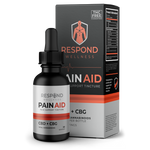
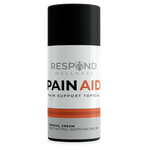
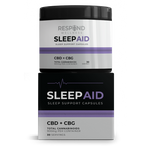
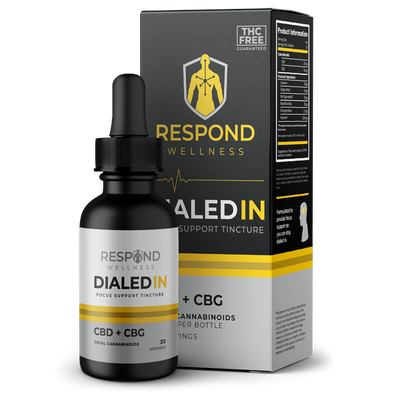
At Respond Wellness, we built the brand around the reality that people want CBD benefits without playing games with THC. We’re THC-free (0.000% THC) and we include a Certificate of Analysis (COA) you can check—because in the fire service we live by: “Trust but verify.” You can learn more about us and our story here.
Why Some CBD Users Fail THC Tests
CBD itself shouldn’t trigger a positive on a standard workplace panel, but THC can—and THC can show up in certain hemp extracts even when the label makes it sound “safe.”
Common reasons people get burned:
Bottom line: if testing matters, your best move is choosing a brand that’s serious about verification and transparency.
What “THC-Free” Should Actually Mean
“THC-free” gets thrown around. What matters is what you can prove.
A truly test-conscious CBD routine should include:
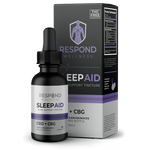
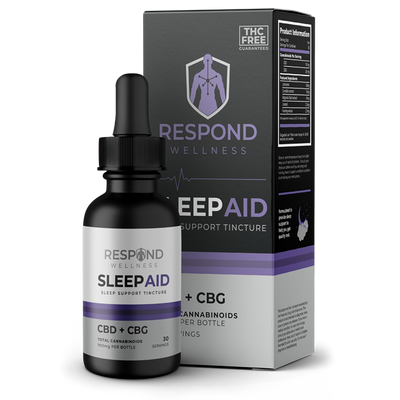
Respond Wellness publishes a current COA for products like Sleep Aid Tincture, and the site messaging emphasizes THC-free for first responders.
When you open a COA, scan these 3 areas:
Pro tip: Save the COA as a PDF on your phone. If you ever get questioned, you can show you’re being intentional.
If you’re in any of these groups, THC-free verification is non-negotiable:
Respond Wellness was built specifically with first responders in mind.
Can CBD alone cause a positive drug test?
Most standard drug tests target THC metabolites, not CBD—but THC contamination or trace THC can still create risk depending on the product and usage.
Is full-spectrum CBD worth it if I get tested?
If job testing is strict, full-spectrum is the highest risk category because it contains THC, and evidence suggests it can trigger positives in some users.
What’s the safest choice if I’m worried?
A THC-free product with a verifiable COA is your best bet for minimizing risk.
If you want CBD support without playing roulette with THC, choose THC-free (0.000% THC) products and verify your COA. That’s exactly why Respond Wellness exists.