0 item(s)
View cart
You have no items in your shopping cart.


If your career depends on passing a drug test,
you can't afford to take someone's word for it.
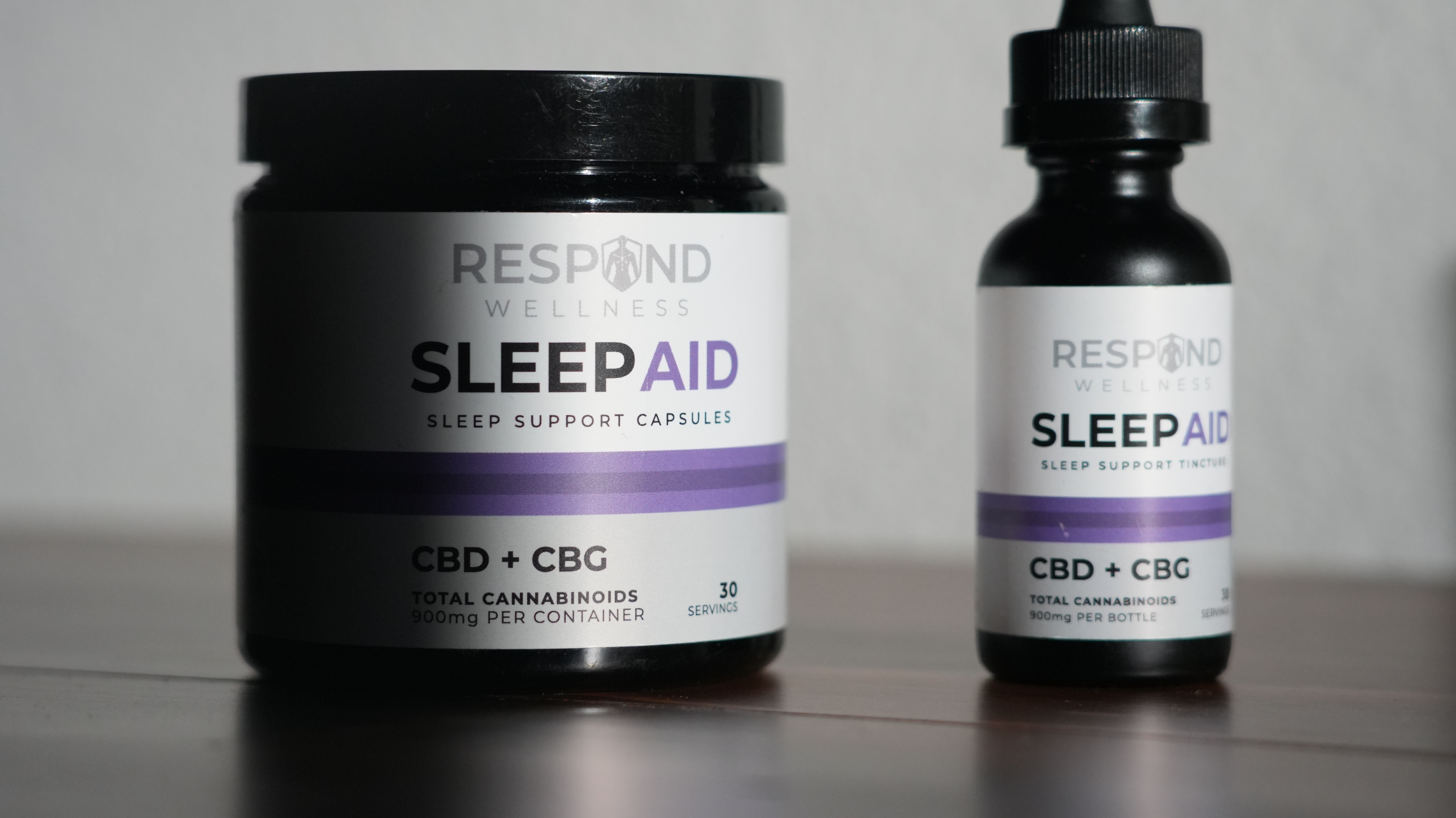
Here's something most CBD brands won't advertise: the term "broad spectrum" is not a guarantee of zero THC. It means most THC was removed — not all. And "hemp-derived" simply describes the plant source, not the THC content of the final product.
For the average consumer, trace THC is a non-issue. But if you're a firefighter, law enforcement officer, military member, federal employee, or professional athlete — even a trace amount can end a career. A positive drug test doesn't just mean embarrassment. It can mean suspension, termination, loss of licensure, or being passed over for promotion.
Before you put any CBD product in your body, you should be able to confidently answer these 5 questions. If a brand can't help you get there — that's your answer.
"Non-detect" (ND) sounds reassuring, but it only means THC was below the lab's detection threshold — not that it's truly zero. Every lab has a different detection limit. Some labs have limits as high as 0.01% or even 0.05%, meaning a product labeled "ND" could still contain enough THC to affect a sensitive drug test.
Look for an actual numerical result of 0.000%. That is the only number that removes all ambiguity for drug-tested professionals. No estimate. No threshold. No risk.
Key term: "ND" (Non-Detect) means below the detection limit — not zero. Always look for the explicit numerical value 0.000% on the certificate of analysis.
Some brands test in-house or use labs with financial ties to them — which is like grading your own homework. An independent lab has no incentive to fudge the numbers. A trustworthy COA comes from an ISO/IEC 17025-accredited laboratory — the international gold standard for testing lab competence.
If the lab name isn't clearly stated on the COA, or if you can't find the lab online as an accredited independent facility, treat that as a red flag. Reputable labs are publicly listed and verifiable.
Key term: ISO/IEC 17025 is the international standard for testing laboratory competence. Look for this accreditation on the COA's issuing lab.
A COA is only valid for the specific batch it was run on. CBD formulations, hemp sources, and extraction methods can vary between production runs — meaning a product that tested clean six months ago isn't guaranteed to be clean today.
Check that the batch number and production date on your product's label match the COA exactly. An outdated COA, or one with no batch number at all, is a significant red flag that should stop you from purchasing.
What to check: The lot/batch number on your product label should appear verbatim on the COA. If there's no batch number, that COA covers an unknown production run — not yours.
This is the question most people never think to ask — and it's one of the most important. Even a product that tests clean at the batch level can be contaminated through shared equipment or co-production with full-spectrum or high-THC formulas in the same facility.
Trace THC from residue on shared mixing tanks, filling equipment, or packaging lines can migrate into a "clean" product. A facility dedicated solely to THC-free production eliminates this cross-contamination risk entirely. Always ask: what else is made in this building?
Cross-contamination risk: Shared equipment used for full-spectrum and isolate/broad-spectrum products is a known risk factor. The only complete protection is a facility that produces THC-free products exclusively.
If a brand makes you email to request their lab report, wait days for a response, or dig through layers of their website to find it — that tells you something. Brands with nothing to hide make verification effortless.
Real transparency means the COA is on the product itself — scannable via QR code on the label, anytime, by anyone. No asking. No waiting. No excuses. If you're holding the product and can't instantly verify its lab results, that brand hasn't earned your trust yet.
Best practice: Look for a QR code directly on the product label that links to the batch-specific COA. This is the highest standard of transparency in the industry.
One "no" is one too many. This checklist takes 60 seconds and could save your career.
THC result shows exactly 0.000% — not just "ND" or "non-detect"
COA is from an independent, ISO/IEC 17025-accredited third-party lab
Batch number and date on your product match the COA exactly
Facility is dedicated to THC-free production only — no cross-contamination risk
COA is accessible directly on the product label — no requests, no wait
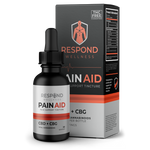
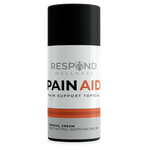
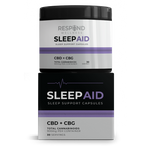
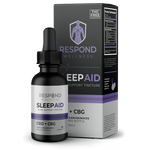
When our founders — two firefighters — started Respond Wellness, they couldn't find a single CBD brand that could definitively answer all five questions above. As first responders subject to regular drug testing, they couldn't afford to guess. So they built a solution from scratch, working with a pharmacology expert with 20+ years of experience, to meet a standard they'd stake their own careers on.
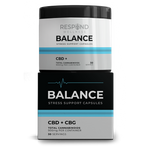
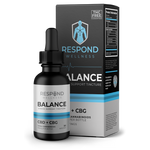
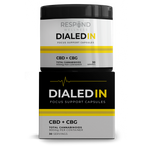
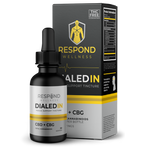
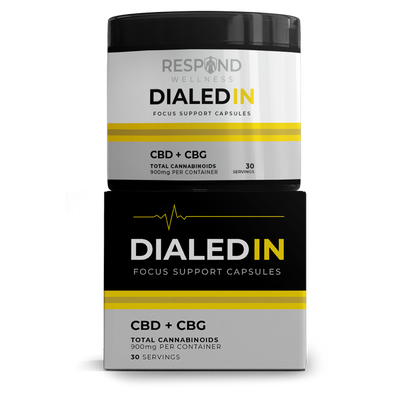
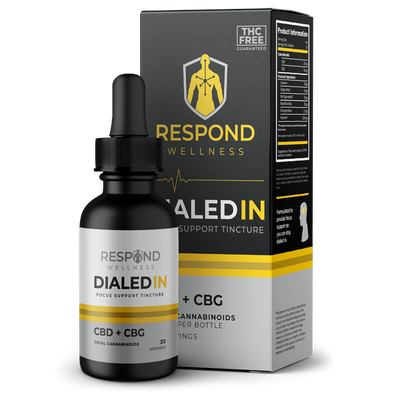
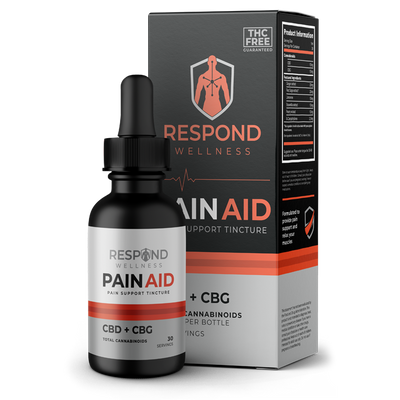
Every Respond Wellness product ships with the COA printed on the label as a scannable QR code. The result is 0.000% THC — not estimated, not rounded, not inferred. Our facility is 100% dedicated to THC-free production. No full-spectrum products. No shared equipment. No shortcuts.
Every product. Every batch. Every answer — on the label.
"This stuff is a god send. I believe in this company and their products whole heartedly. This product has changed my life. Since starting the balance, dialed in, and the sleep tincture I have quit drinking completely."


Scan & Verify
QR code on every label links directly to your batch COA.
Firefighter-Founded
Built by people facing the same drug-test risk as you.
No THC. Ever.
0.000% tested, verified, and published per batch.
All Respond Wellness products are built to pass every question
on that checklist. Scan the label. Check the lab. Trust the result.
Free shipping on orders over $75